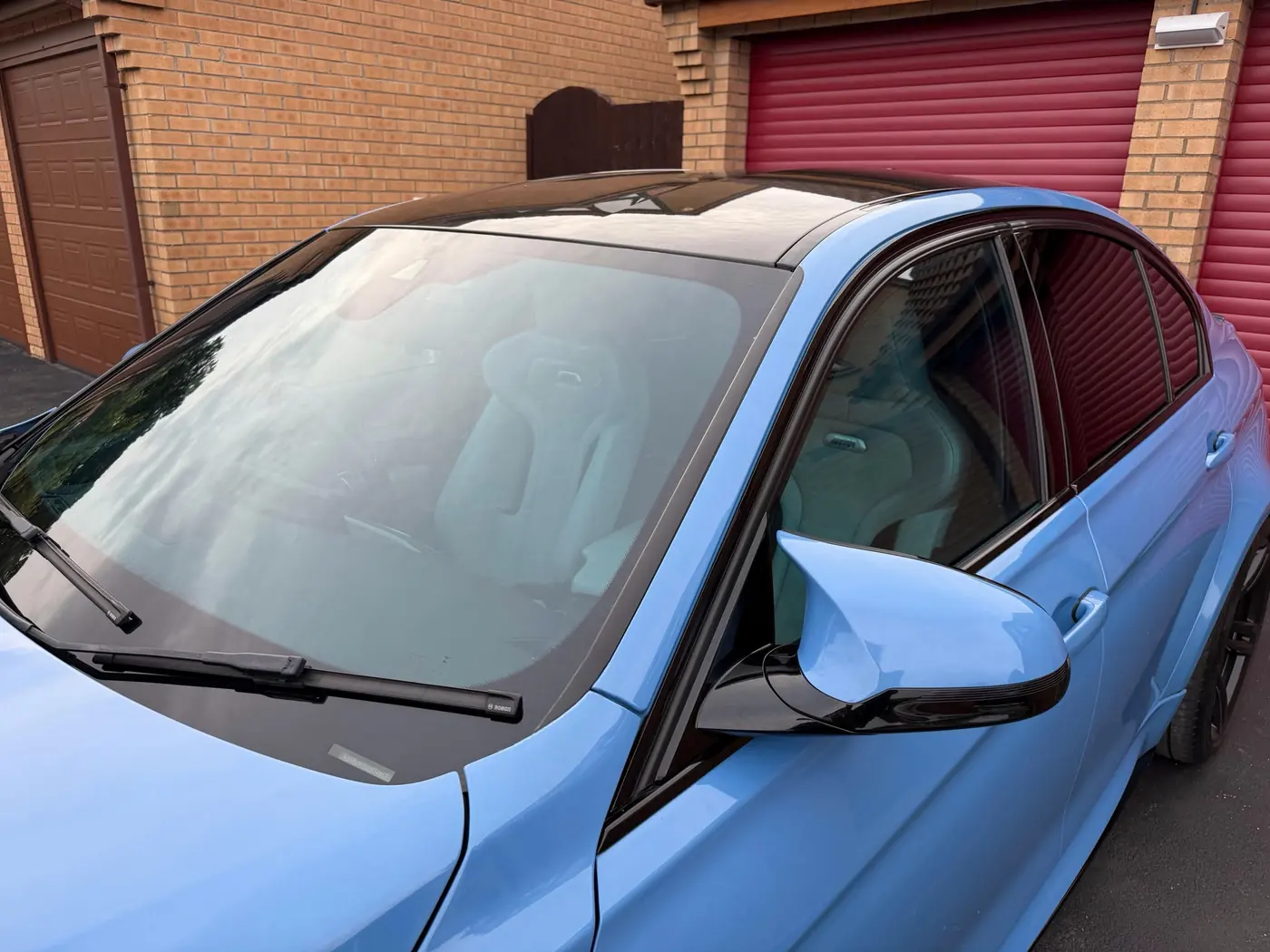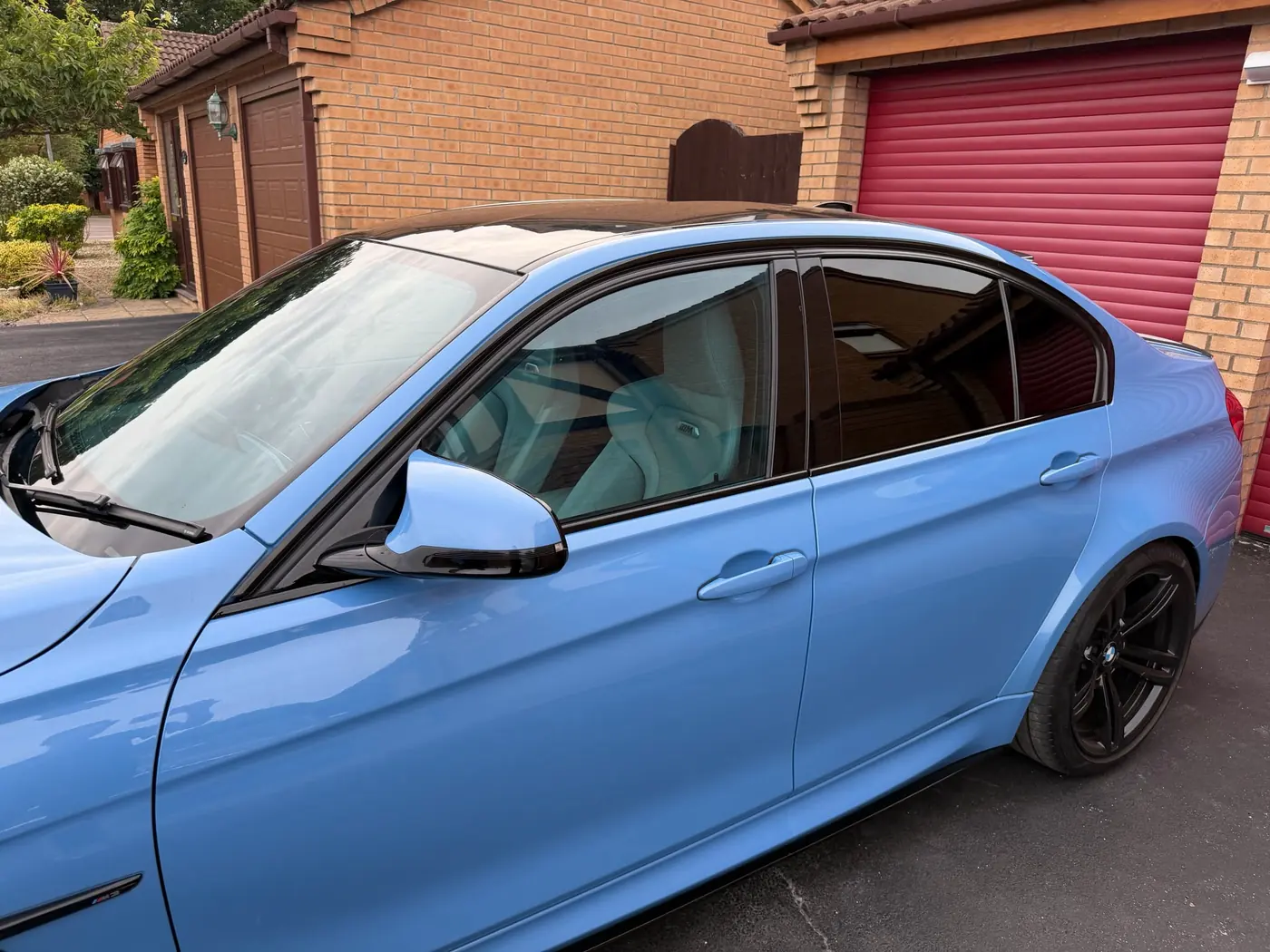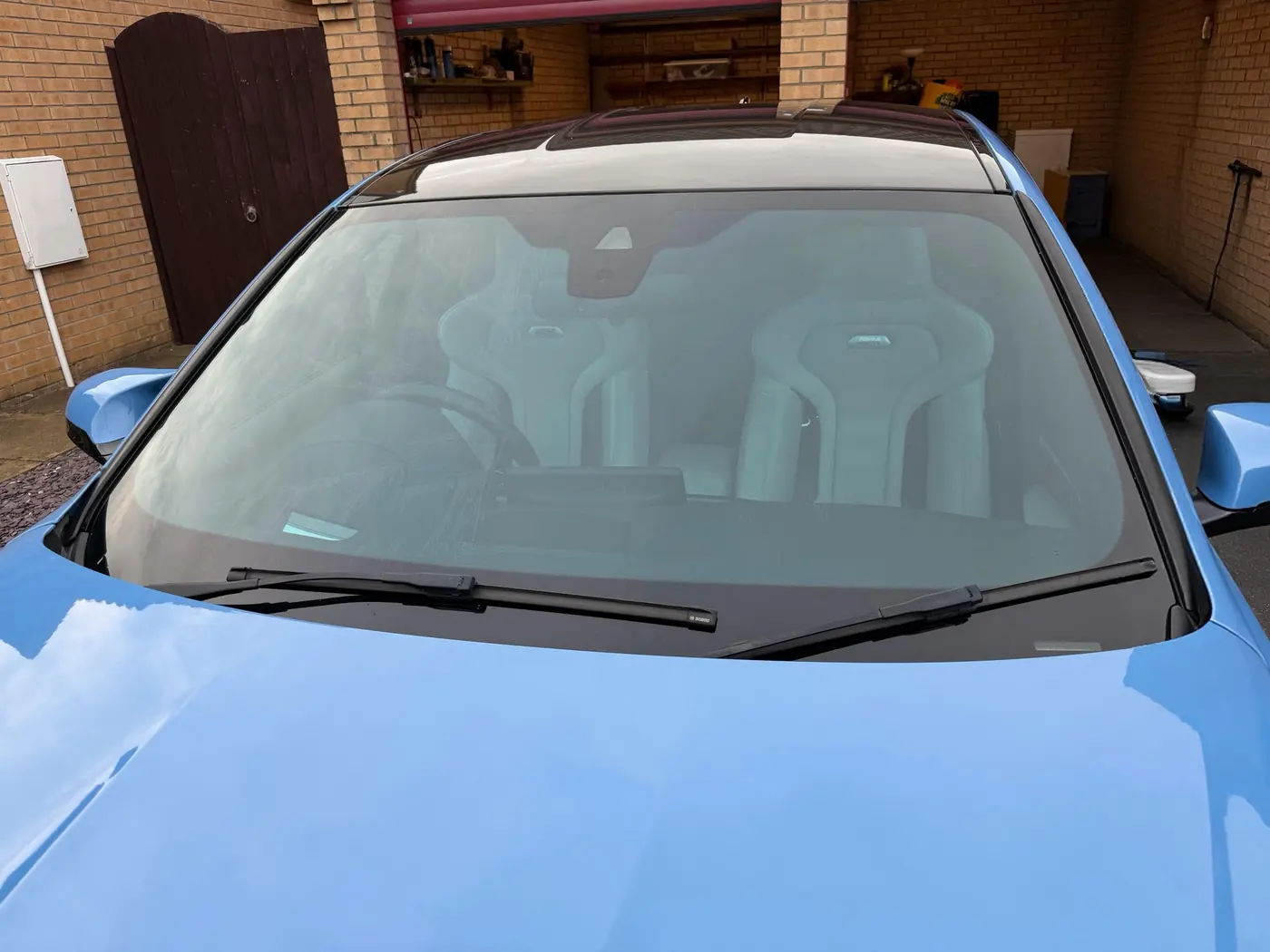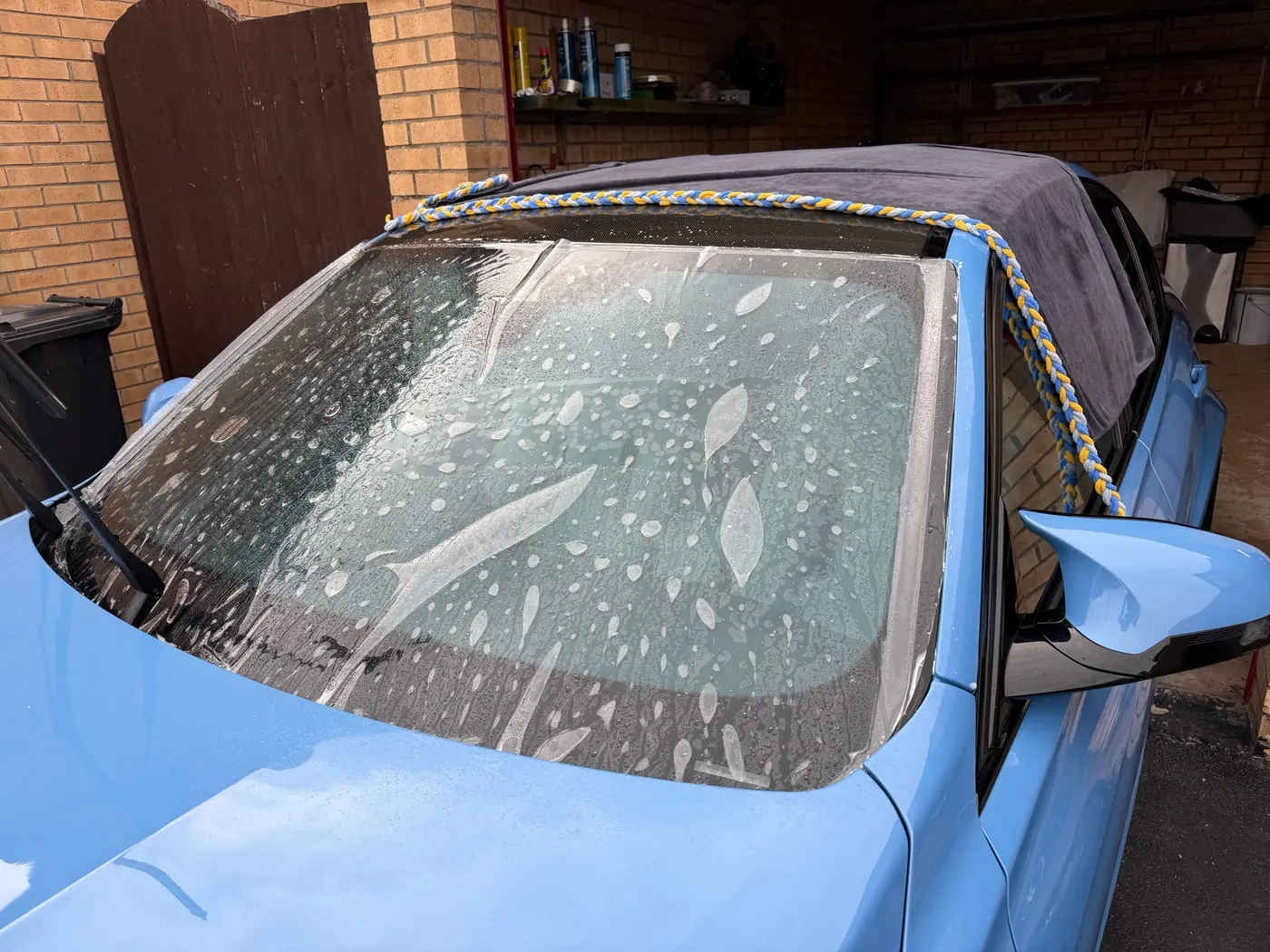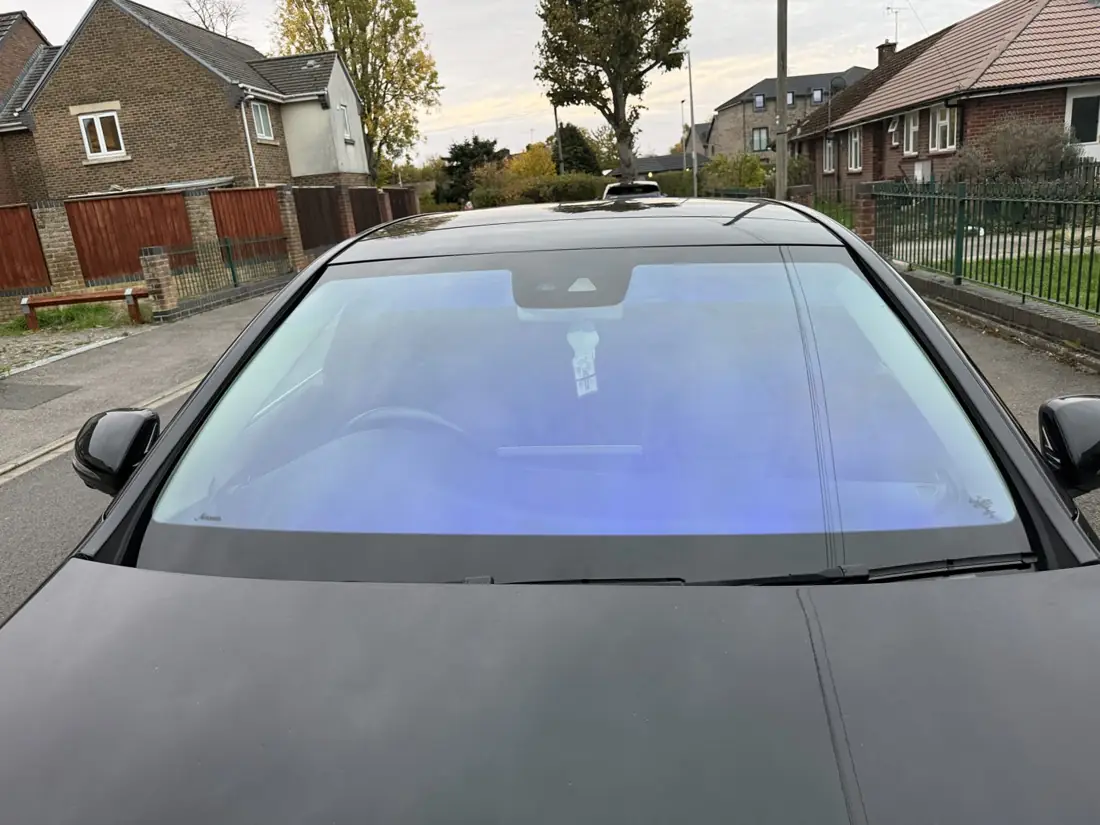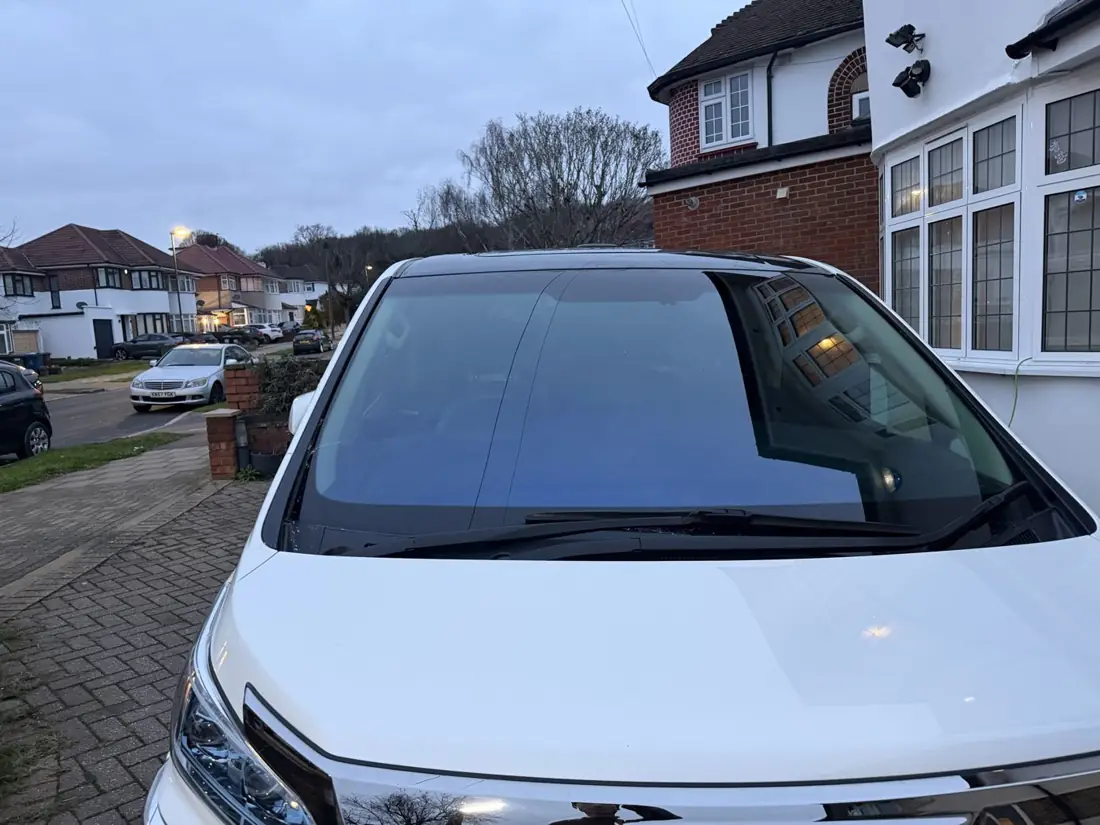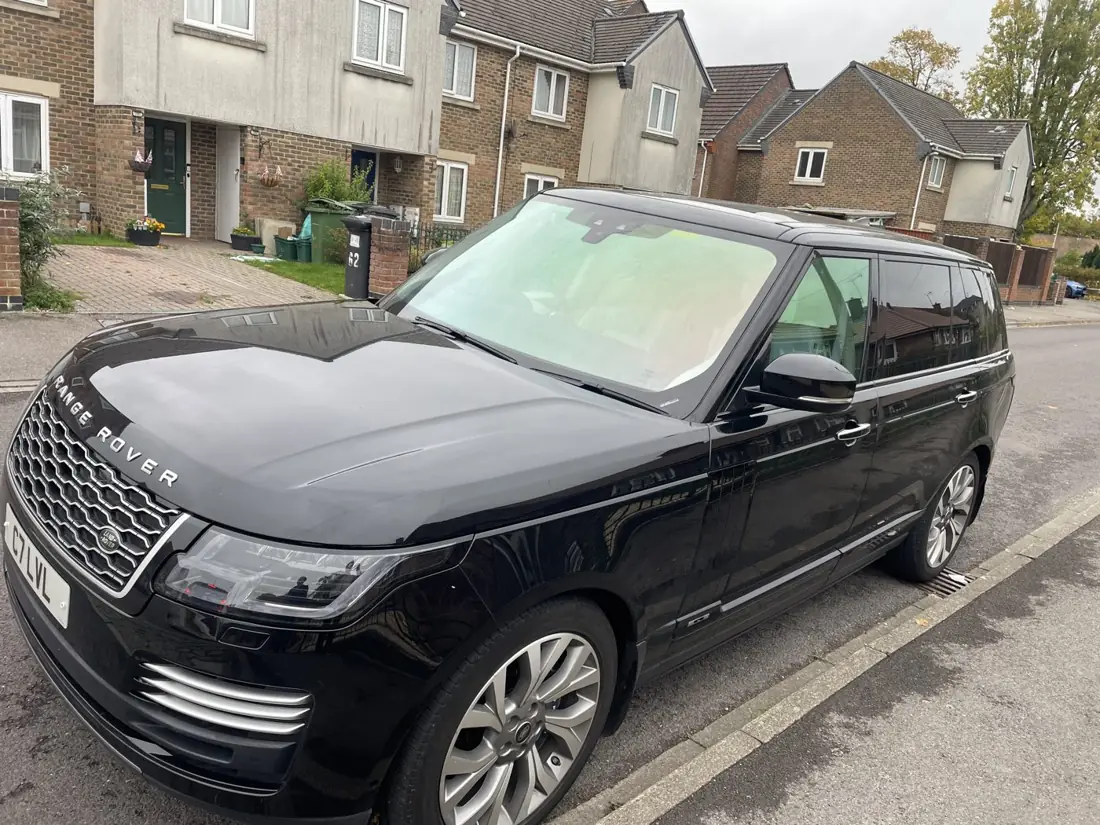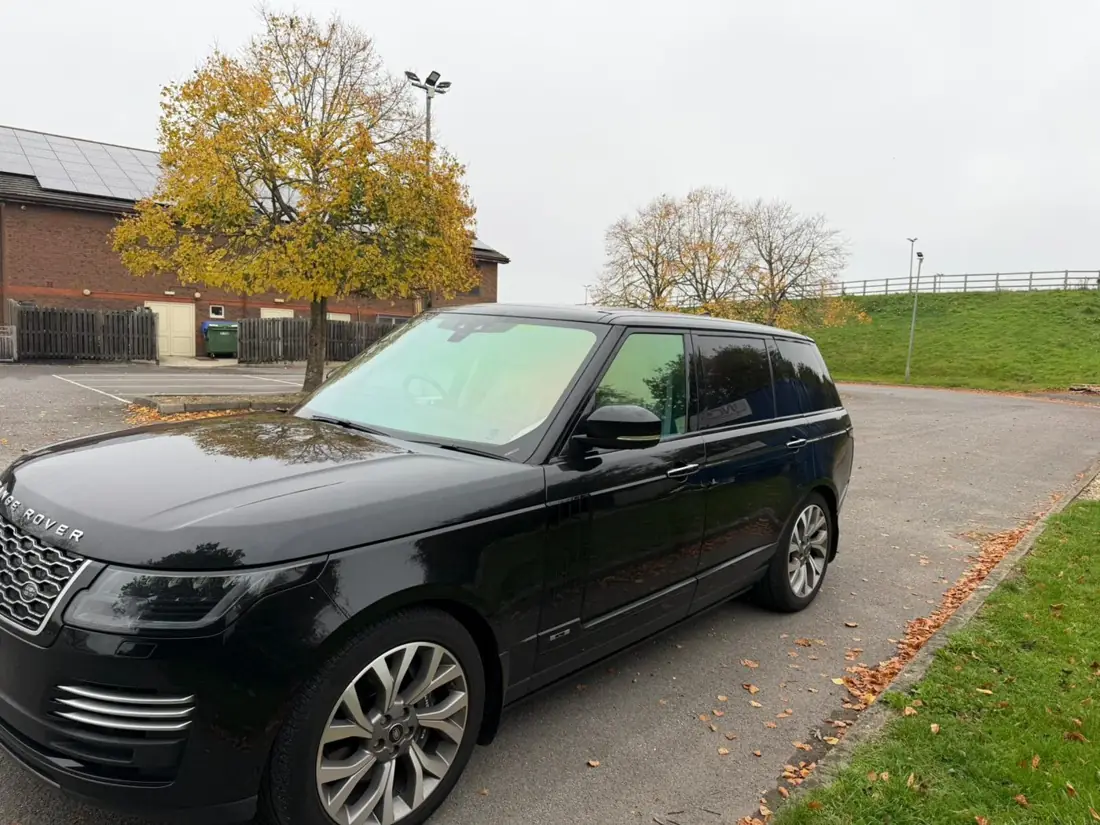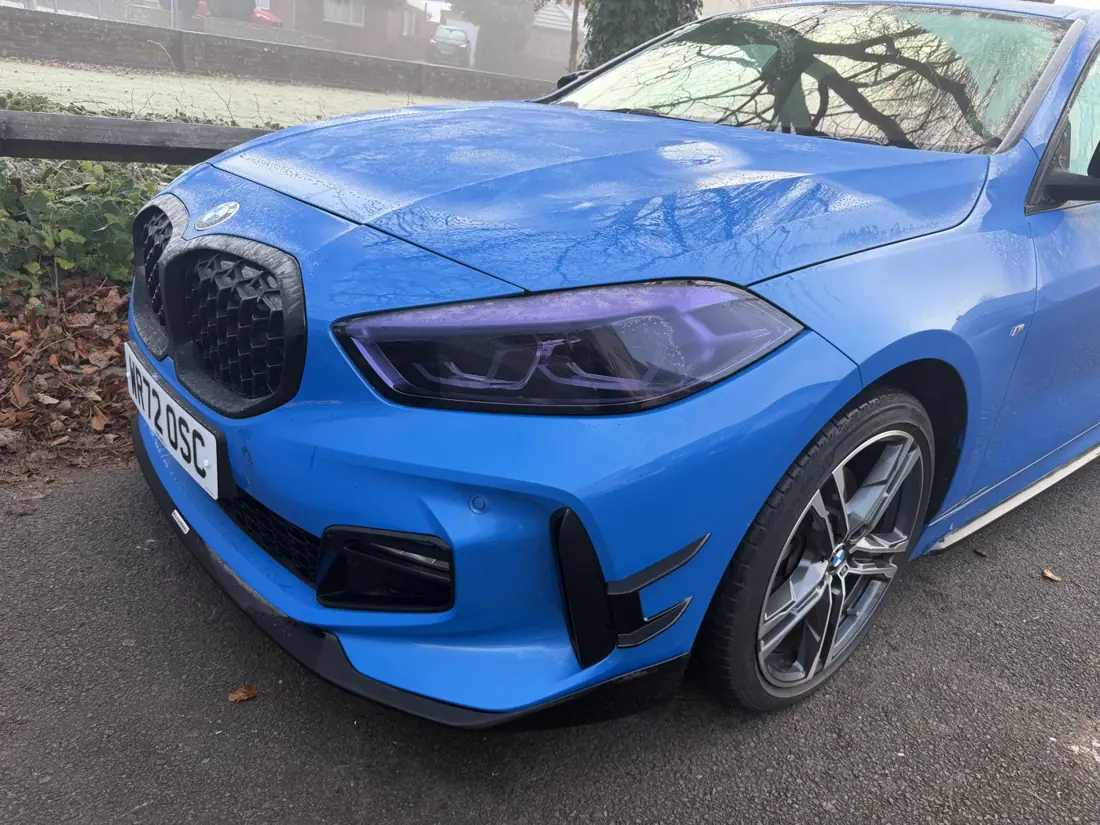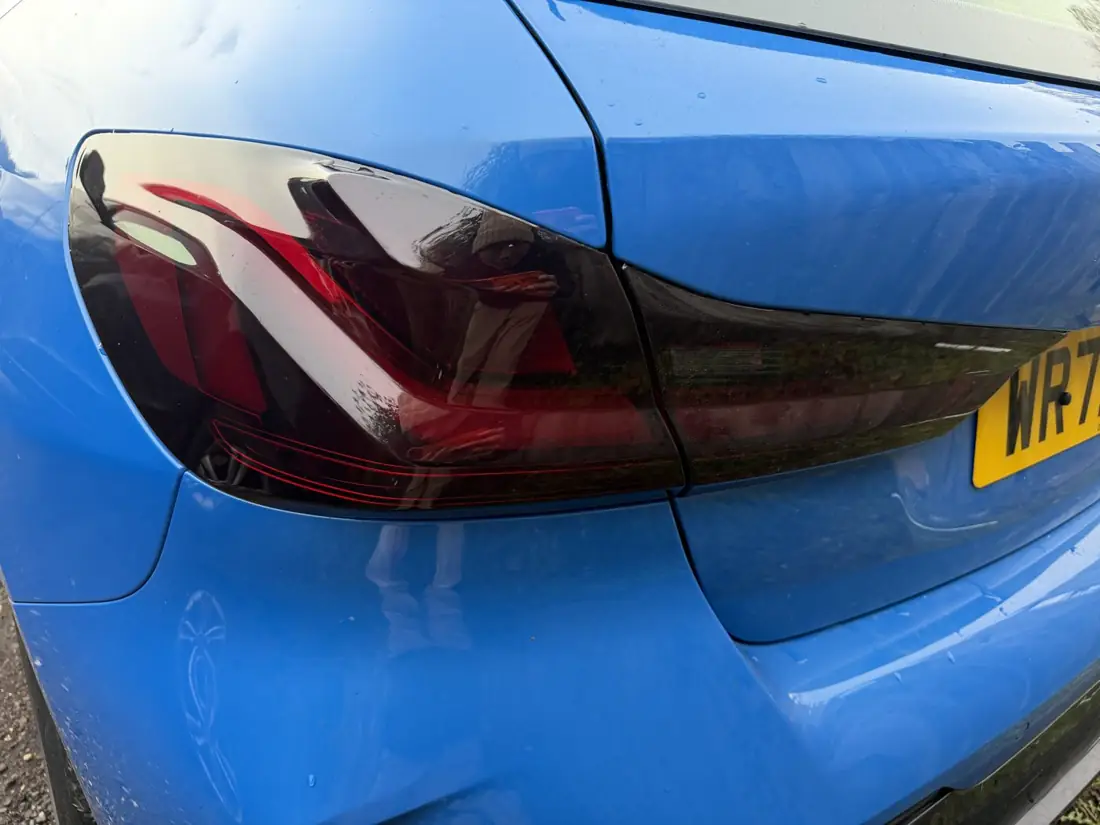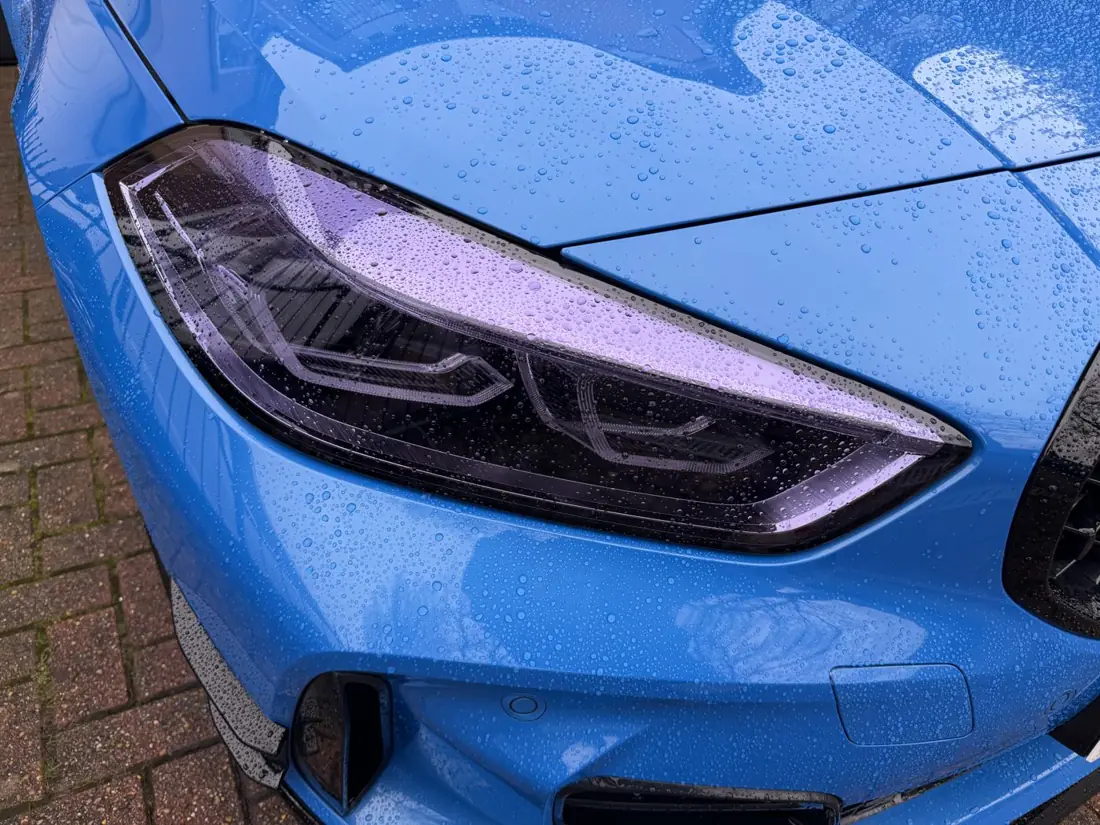
Dyed film
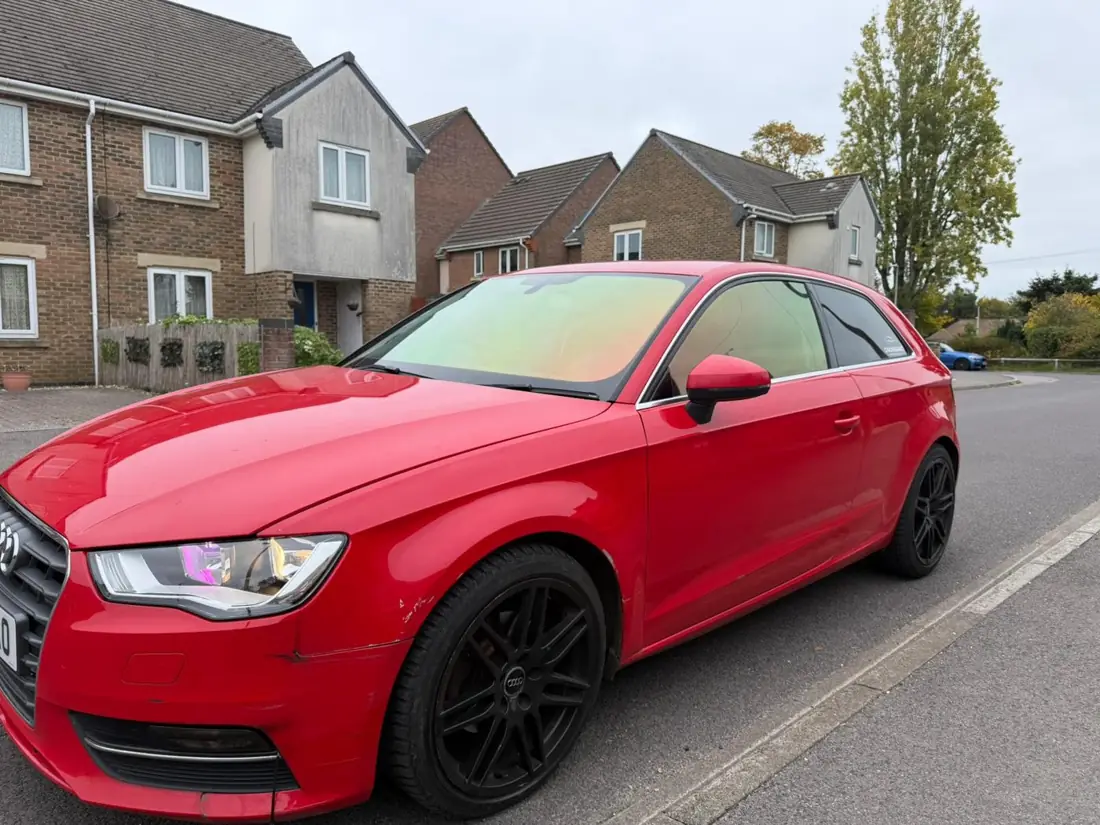
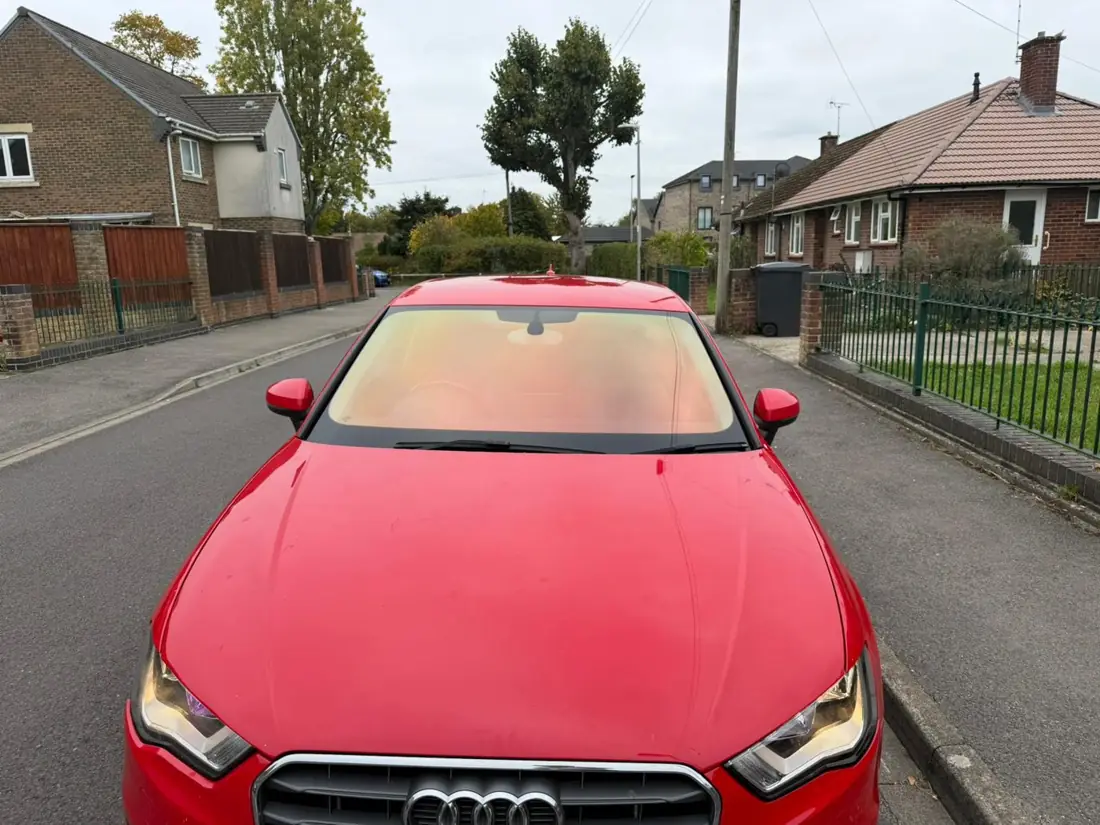
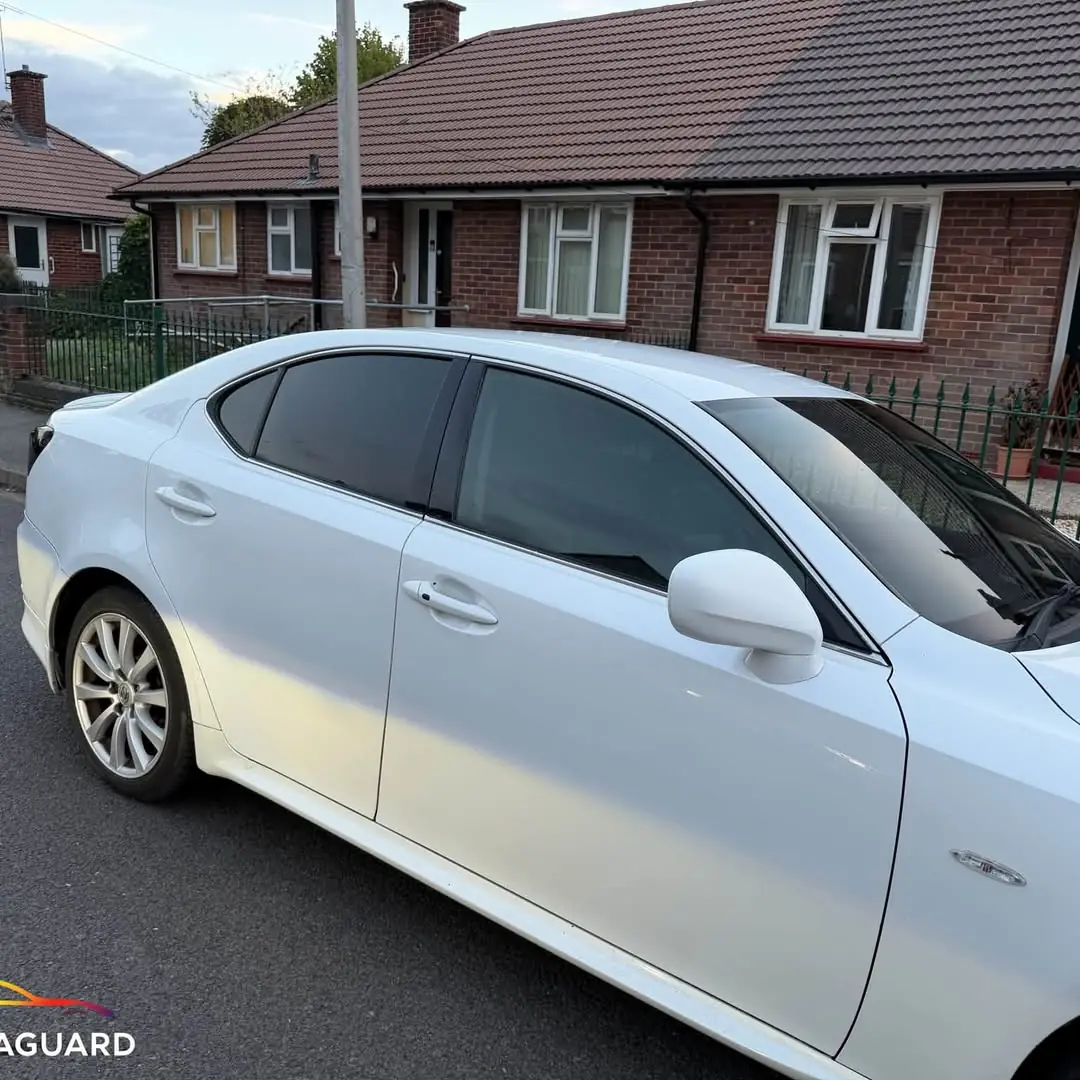
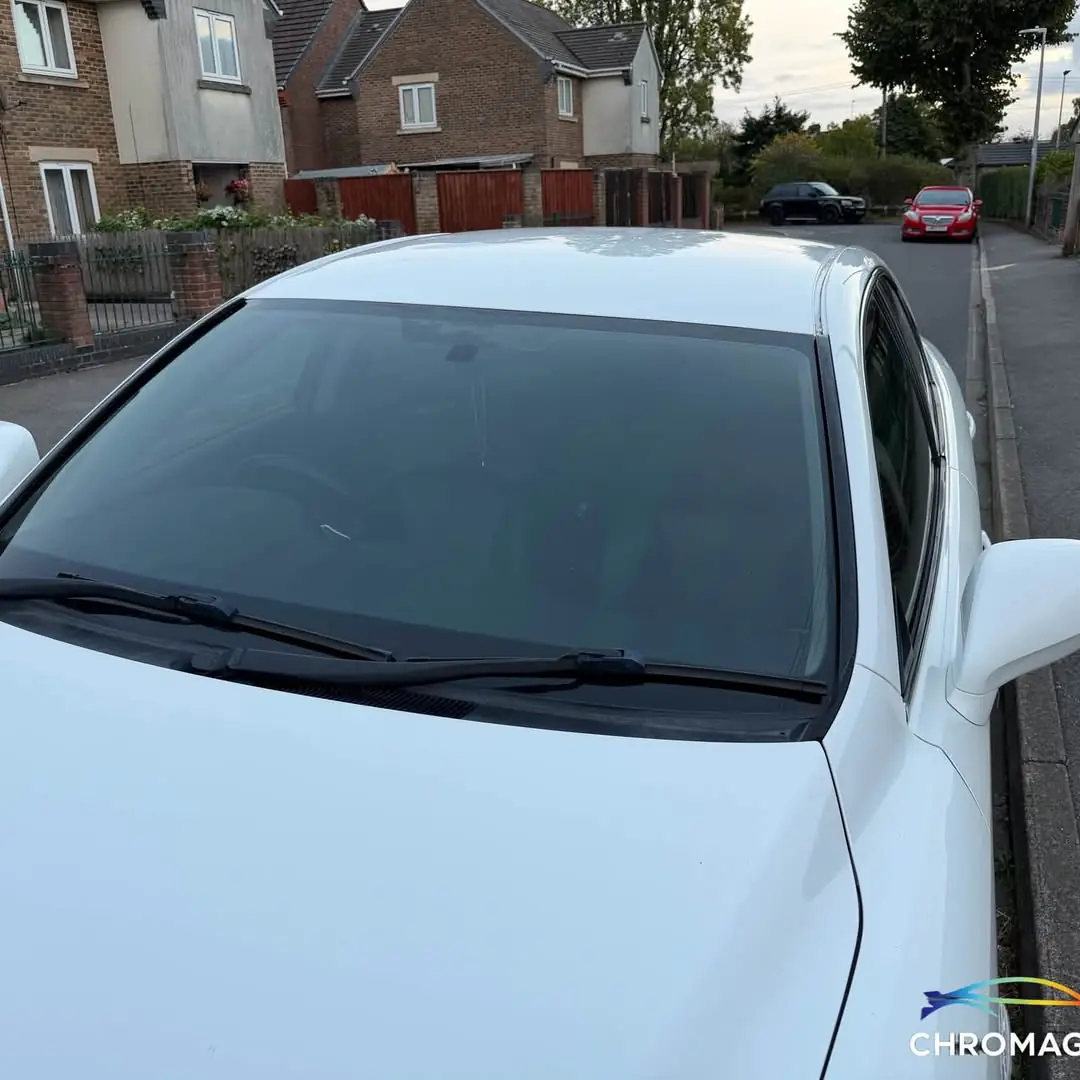
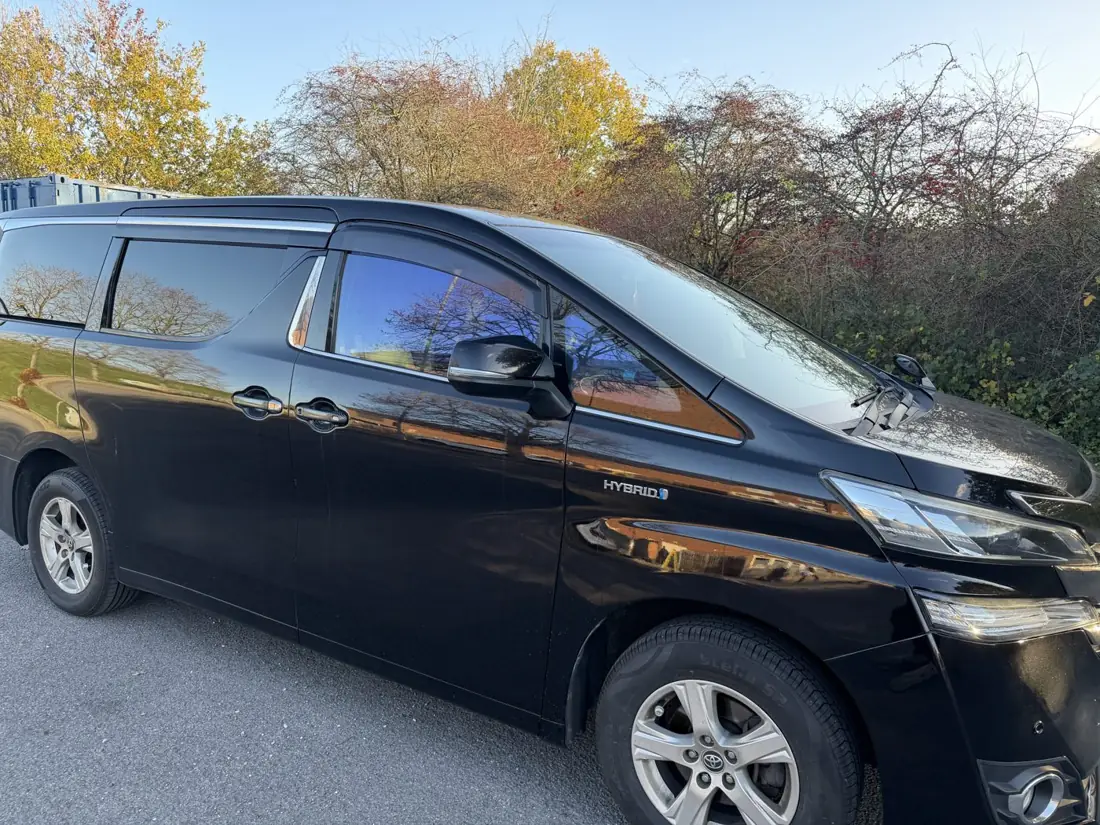
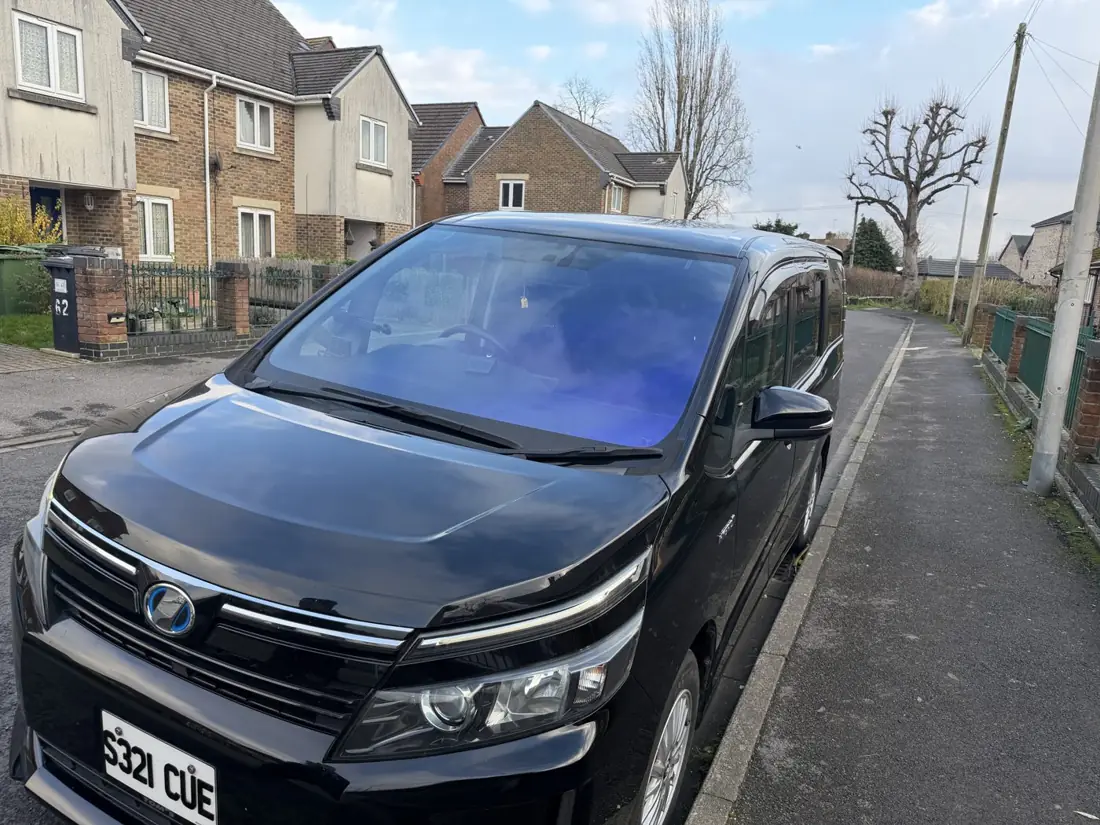
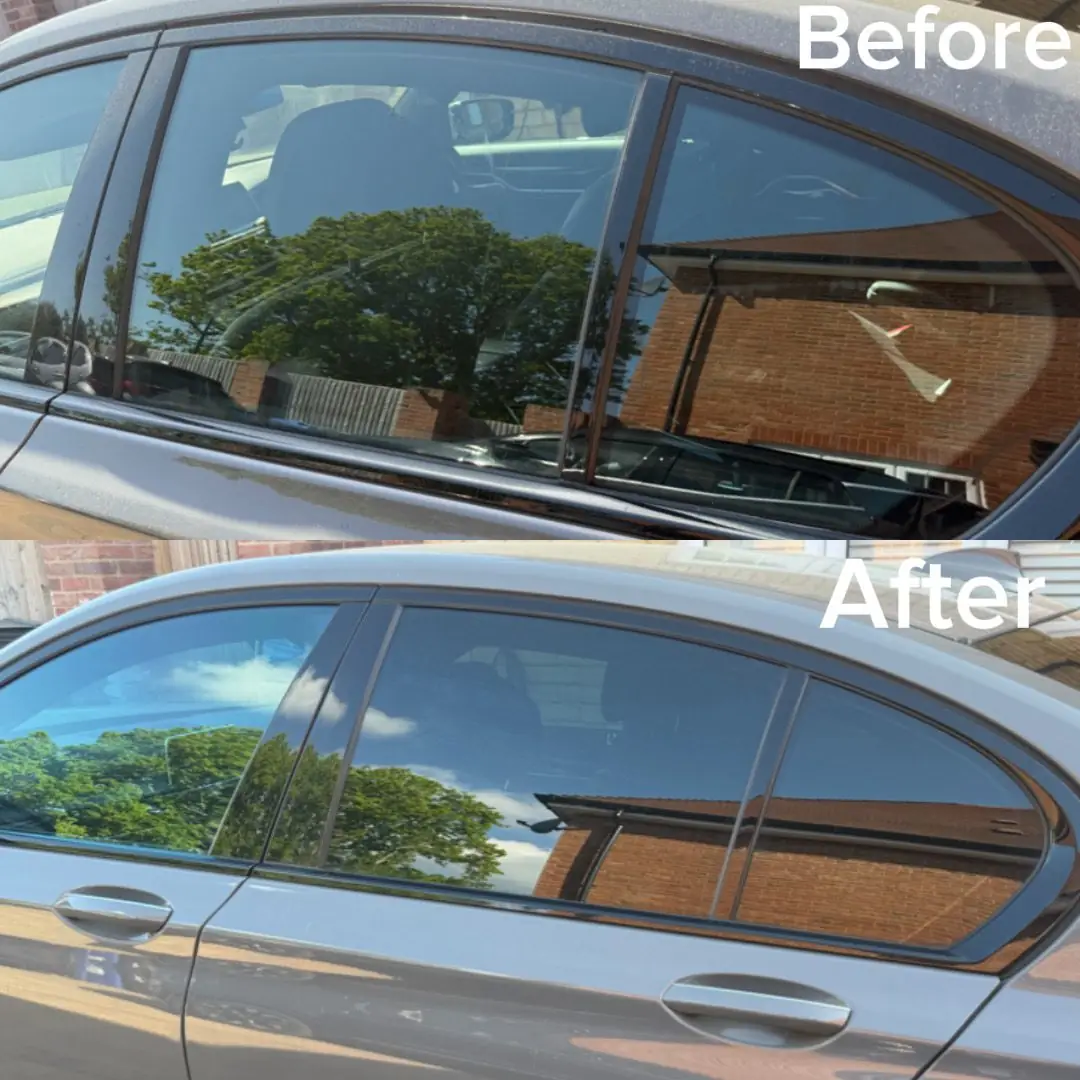
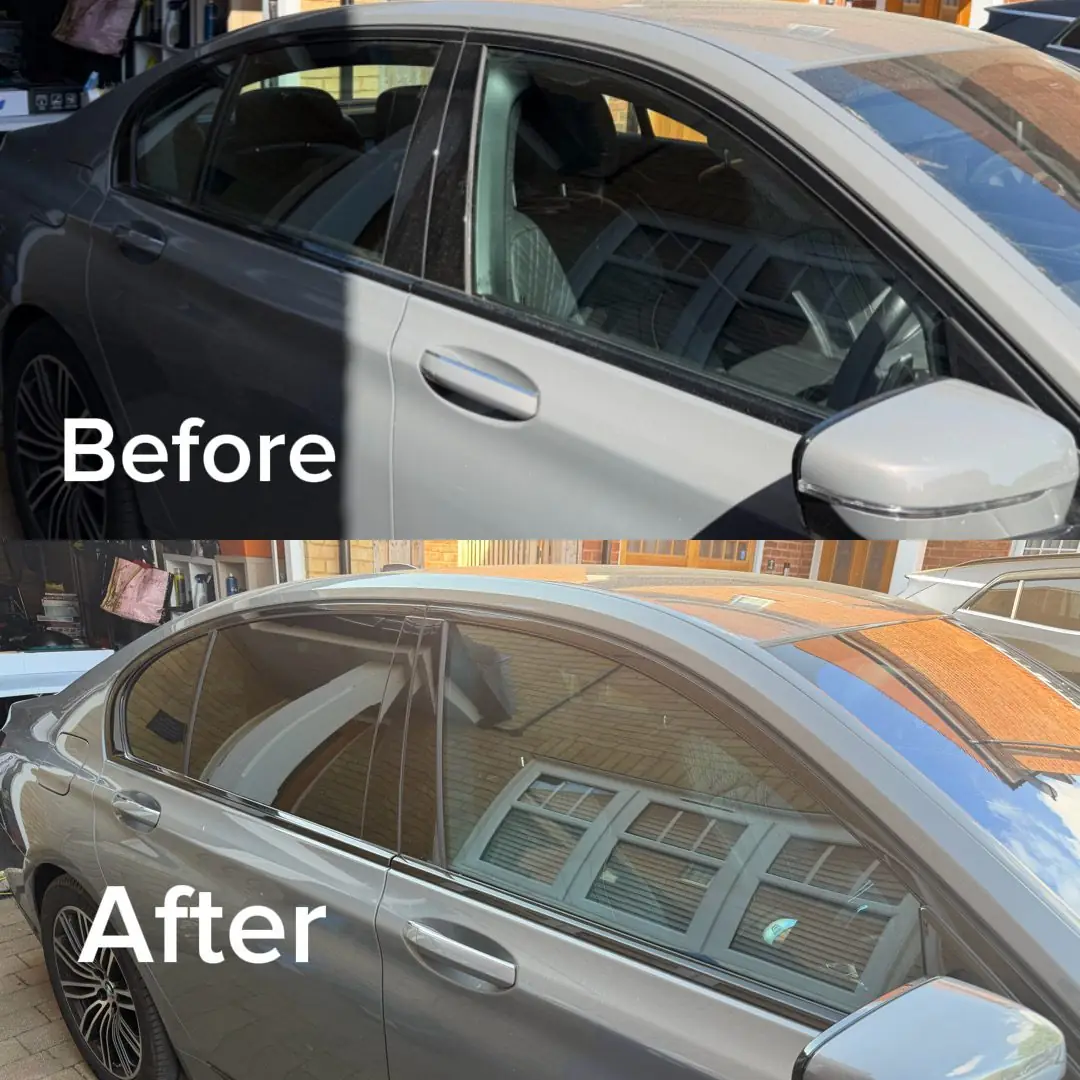
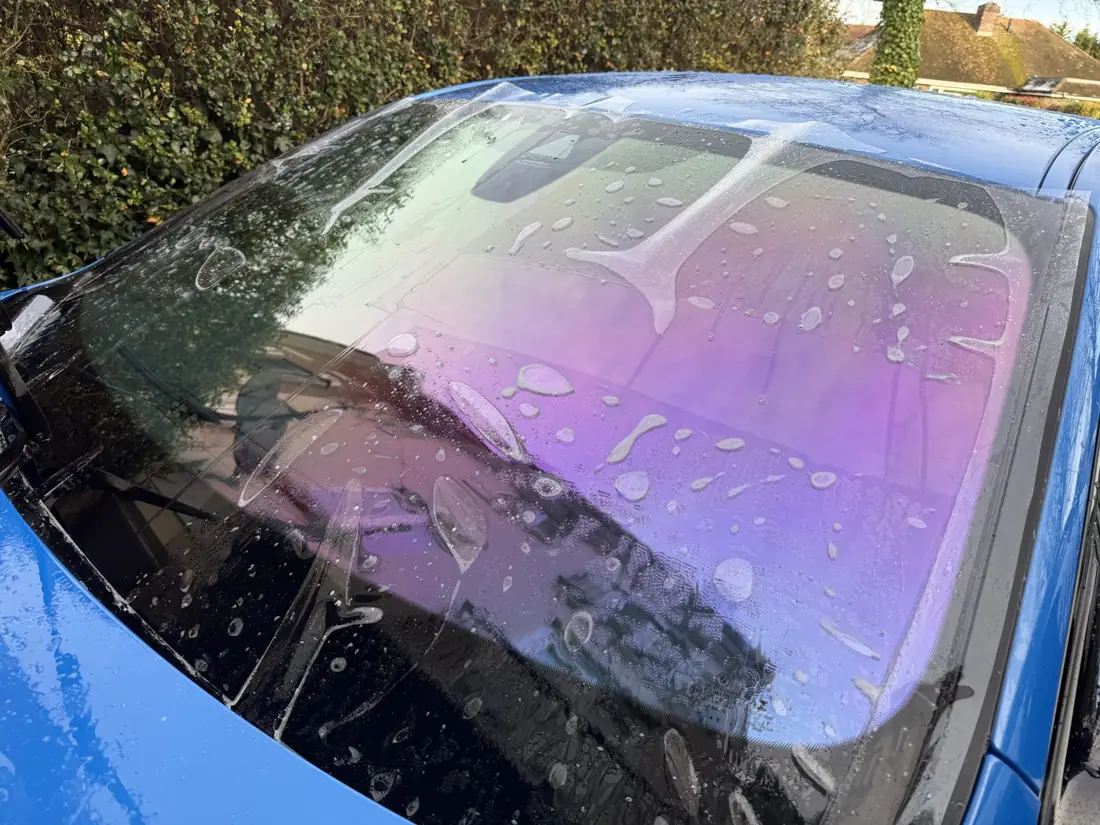
The cheapest option. A dyed layer absorbs light to darken the glass. It looks fine when new, but the dye can fade towards purple over time and it does little to stop infrared heat.
Metallic film
Tiny metal particles reflect heat, so performance is better than dyed film. The trade-off is interference: metal can disrupt GPS, mobile signal, radio and tyre pressure sensors, and some finishes look mirrored.
Nano-ceramic film
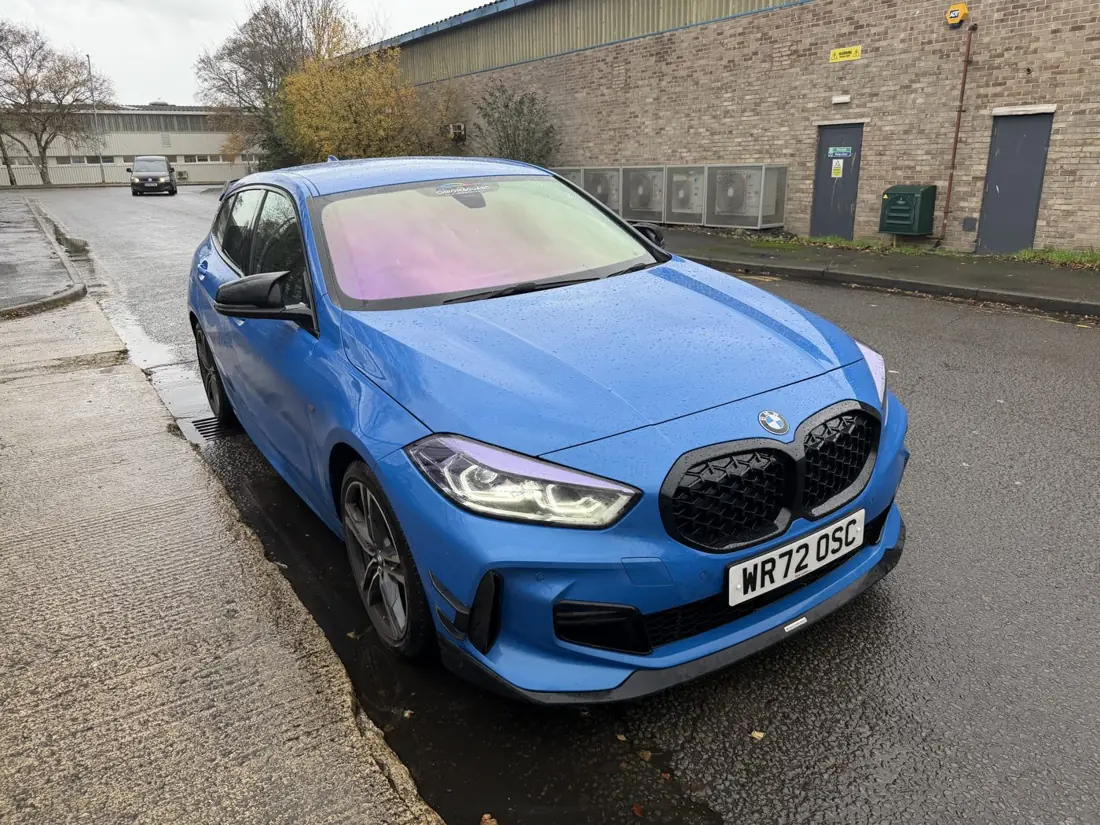
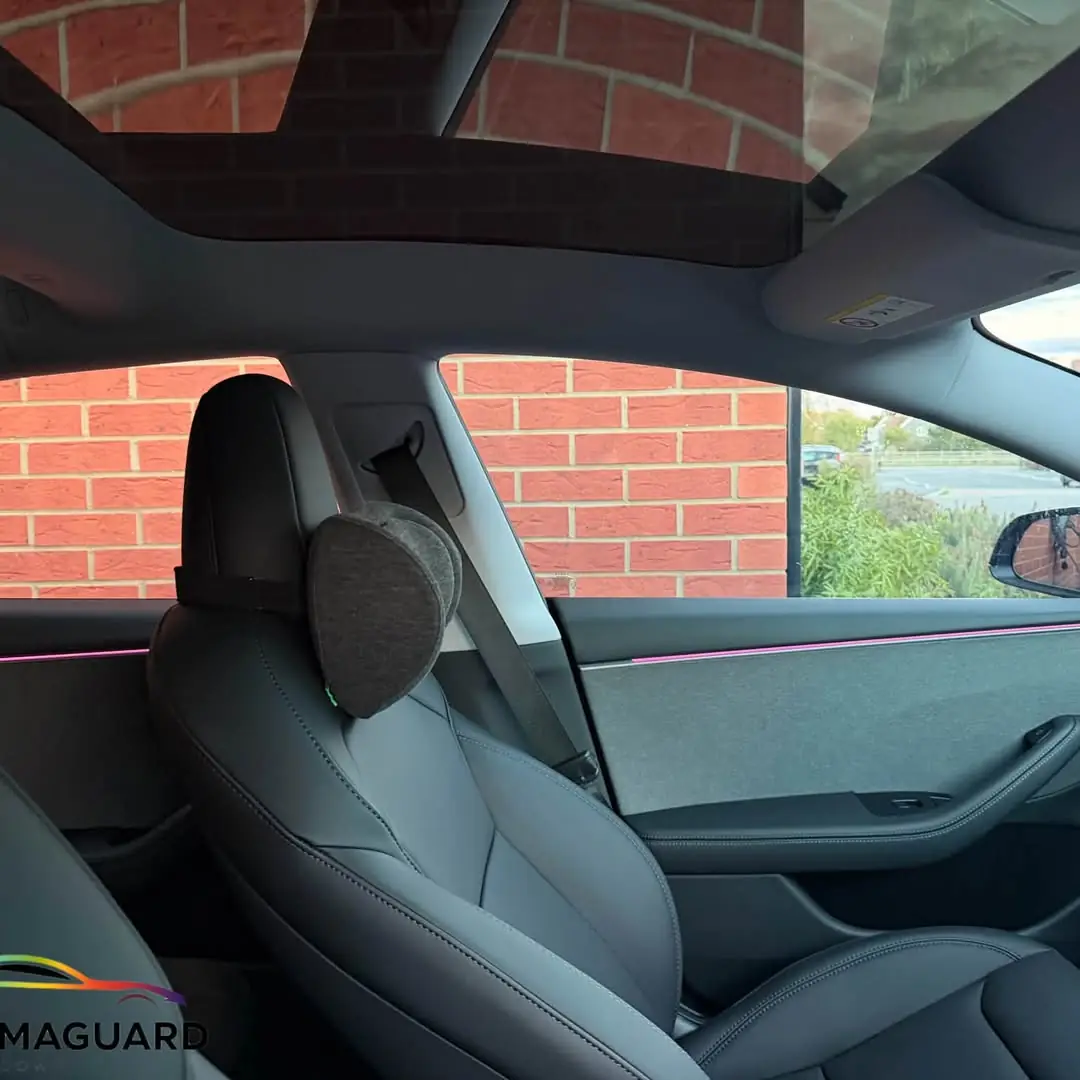
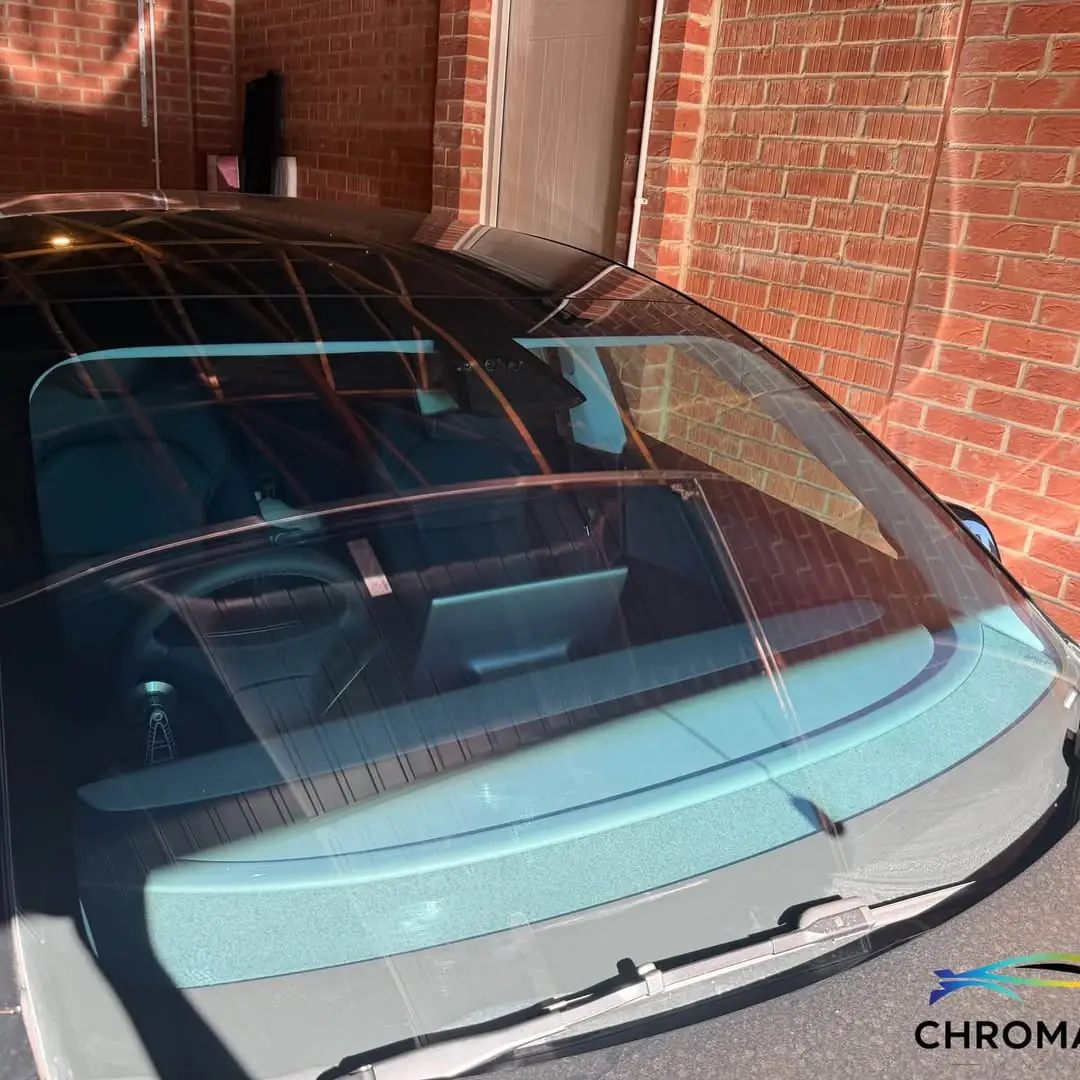
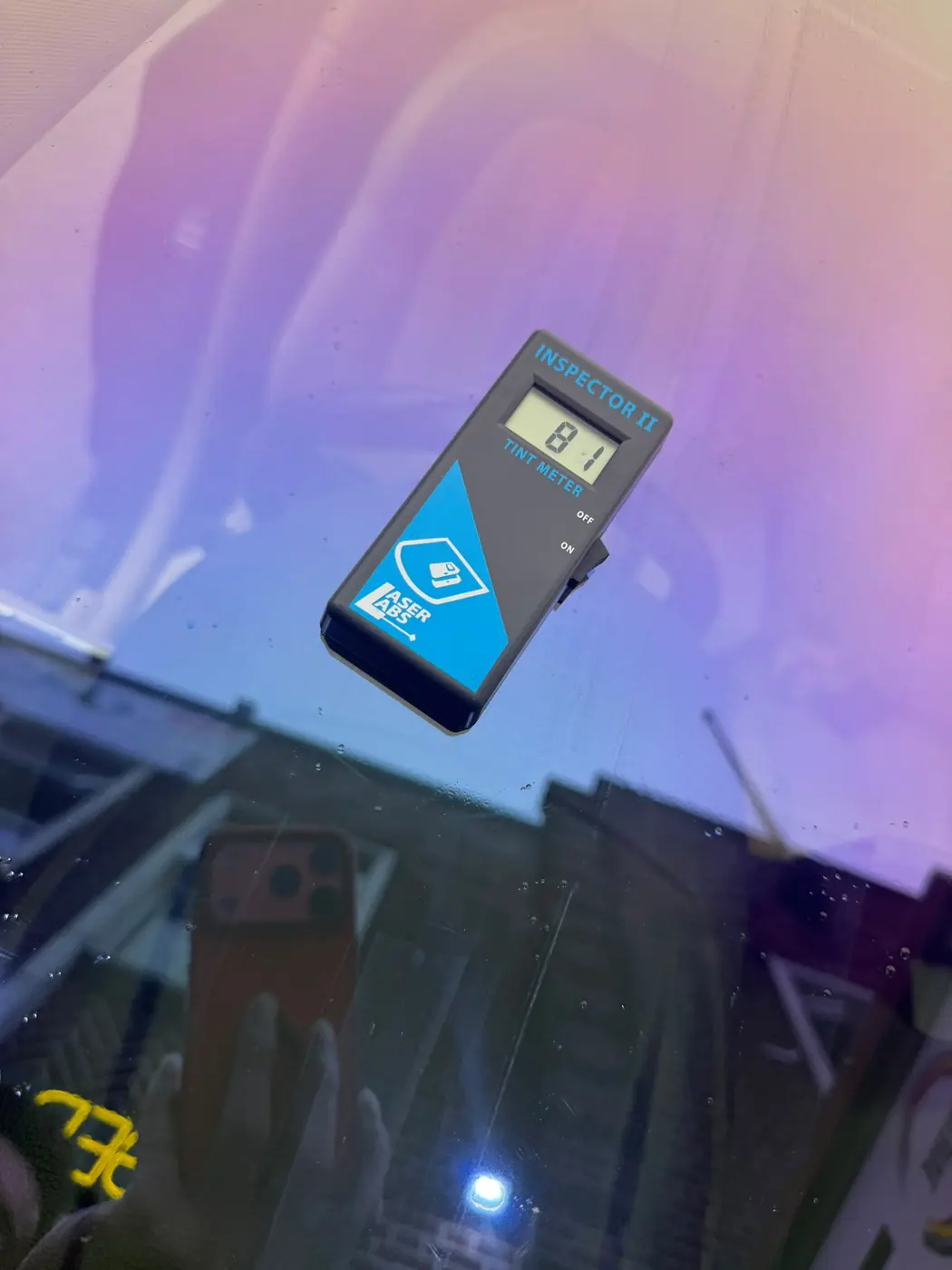
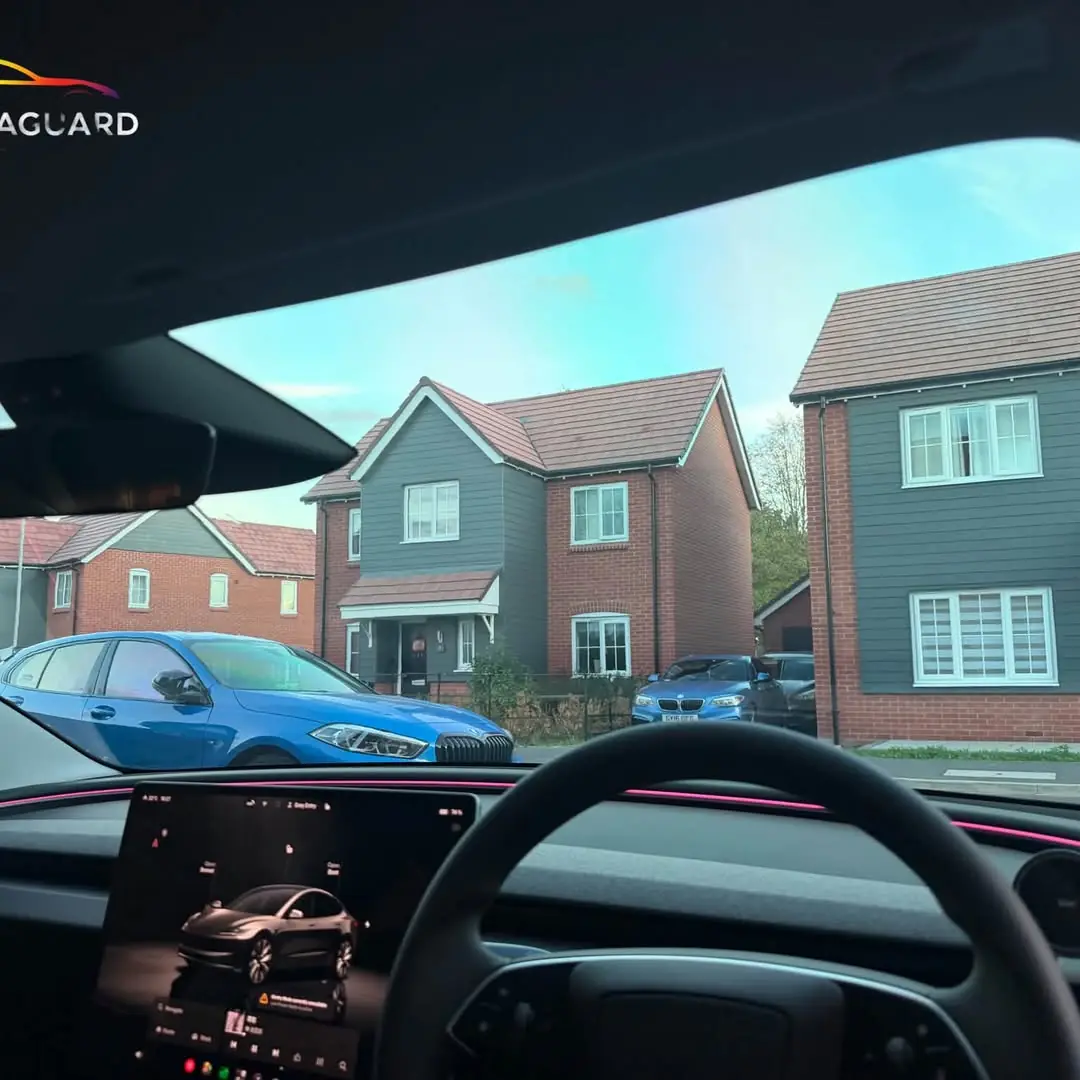
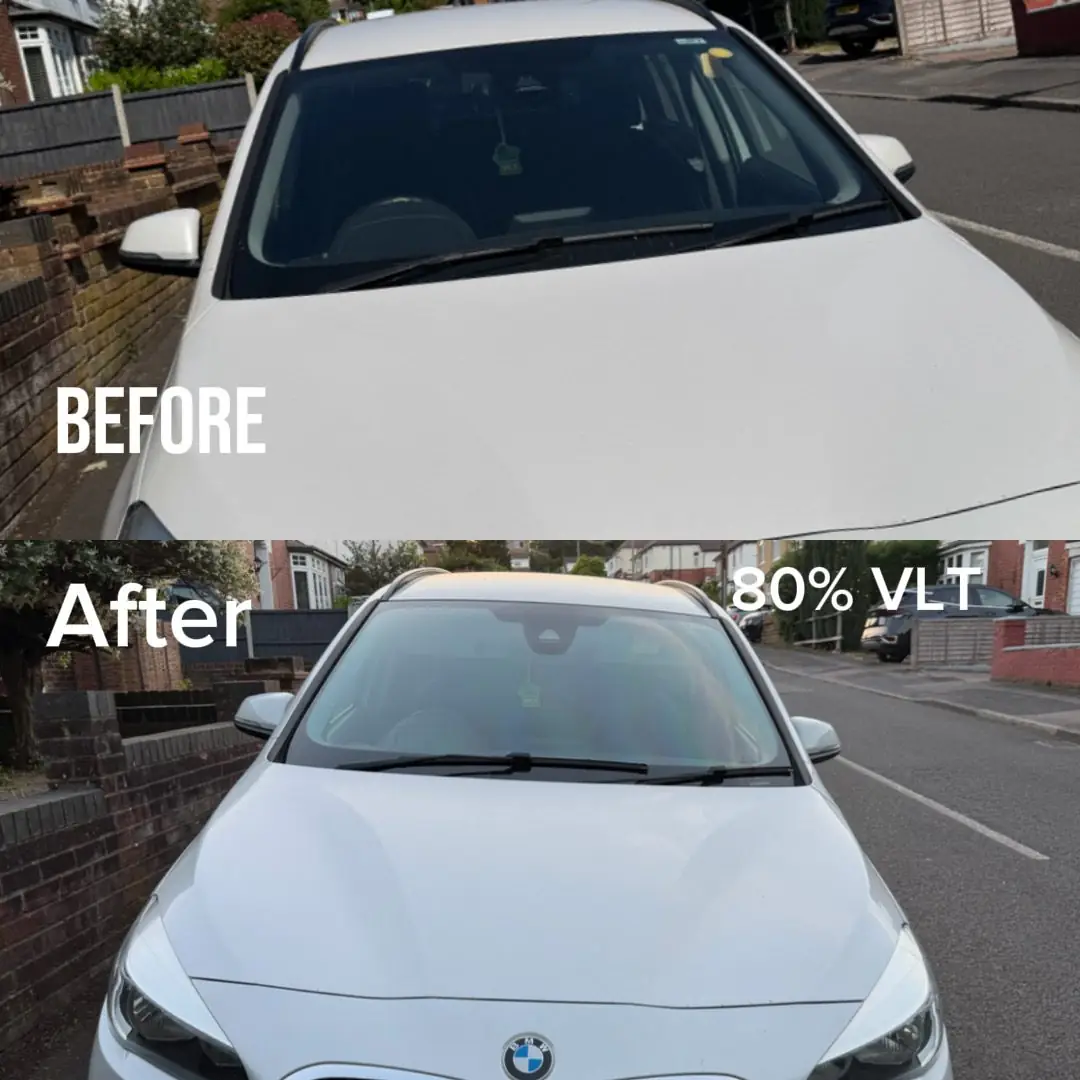
Ceramic particles block infrared heat and UV without metal. That means strong heat rejection, a clear view out, no signal problems and colour that stays stable. It costs more, which is why it is the film we fit and sell.
| Dyed | Metallic | Nano-ceramic | |
|---|---|---|---|
| Heat rejection | Low | Good | Up to 99% IR |
| UV protection | Good | Good | 99.9% |
| Signal interference | None | Possible | None |
| Colour stability | Can fade | Stable | Stable |
| Price | £ | ££ | £££ |
Our view
If you are keeping the car for more than a year or two, ceramic pays back in comfort and longevity. See prices for a fitted ceramic tint or buy Pro HD Nano Ceramic by the sheet.